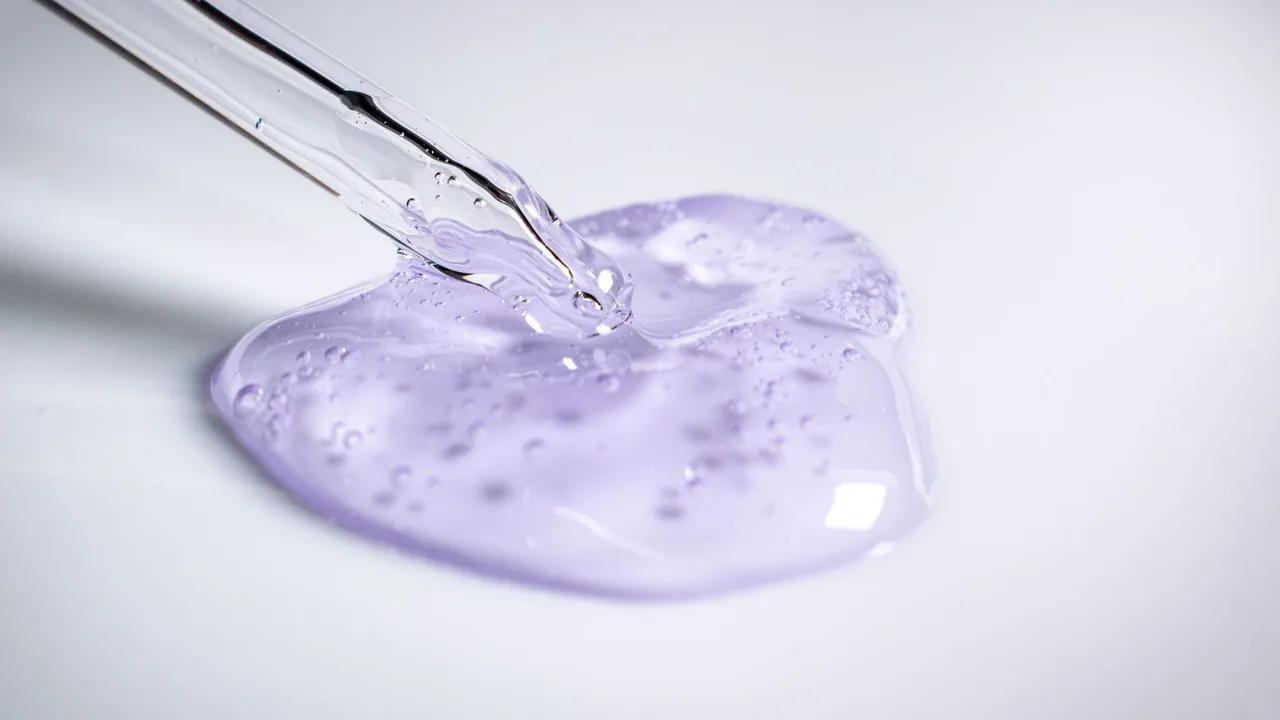
Korean Exfoliators: A Guide to the Types
Exfoliation removes dead surface cells so skin looks smoother and more even — but it’s easy to overdo, and over-exfoliating is a common cause of irritation and a damaged barrier. Korean routines lean heavily on gentle chemical exfoliation rather than harsh scrubs: AHAs are water-soluble and work on the surface, BHA (salicylic acid) is oil-soluble and works inside pores, and PHAs (like gluconolactone) are the largest, gentlest molecules, often chosen for sensitive skin. Below are the main exfoliator types, with honest notes. Start a couple of times a week at most, wear sunscreen, and patch test — and stop if you see redness or stinging.
Last updated: July 2026 · by K-Beauty Edit
Affiliate disclosure: Some links on this page are affiliate links to Olive Young Global and Amazon. As an Amazon Associate we earn from qualifying purchases, and we earn a commission on qualifying Olive Young orders. If you buy through these links we may earn a small commission at no extra cost to you. We are not paid to recommend any specific brand, and we only describe ingredient types in general terms.
Product types to know
These are general ingredient and product types, not endorsements of any single brand. Always read the current label and patch test before regular use.
AHA exfoliating toner (glycolic / lactic)
AHA/BHATonerDry skinWater-soluble acids that work on the surface to smooth texture and brighten the look of dullness.
Who it’s for: Dry skin, dullness and uneven texture; surface marks.
BHA (salicylic acid) exfoliant
AHA/BHAExfoliantOily skinAn oil-soluble acid that works inside the pore to clear the look of congestion.
Who it’s for: Oily, congested or blackhead-prone skin; the T-zone.
PHA (gluconolactone / lactobionic) exfoliant
PHAExfoliantSensitive skinThe largest, gentlest acids that exfoliate the very surface while also drawing in moisture.
Who it’s for: Sensitive skin that can’t tolerate AHA or BHA; beginners to acids.
AHA + BHA combination exfoliant
AHA/BHAExfoliantCombination skinPairs surface and pore exfoliation in one step for texture plus congestion.
Who it’s for: Combination skin wanting both effects (introduce slowly, patch test).
Enzyme exfoliant / powder wash
ExfoliantSensitive skinEnzymes such as papain or bromelain gently dissolve dead skin, often during cleansing.
Who it’s for: Sensitive or reactive skin wanting a milder, wash-off exfoliation.
Peeling gel
GelA uniquely Korean wash-off format you massage on so dead-skin and gel ball up and roll off.
Who it’s for: Those who like a gentle, occasional physical-feeling exfoliation.
Exfoliating pads
PadsPre-soaked pads with acids for a convenient, measured swipe of exfoliation.
Who it’s for: Convenience seekers; controlled, occasional use.
Gentle clay / mud exfoliating mask
ClayMaskOily skinClay formulas that absorb oil and lightly smooth, used as an occasional mask.
Who it’s for: Oily skin; occasional rather than daily use.
Low-strength daily exfoliating essence
EssenceSensitive skinA milder leave-on format for gradual, gentler smoothing.
Who it’s for: Those building tolerance to acids; sensitive skin easing in.
Body exfoliant (AHA / urea)
AHA/BHAExfoliantLarger-format exfoliants for rough areas like arms, legs and the back.
Who it’s for: Body roughness and keratosis-prone areas (not for the delicate face).
Frequently asked questions
- What’s the difference between AHA, BHA and PHA?
- AHAs (like glycolic and lactic acid) are water-soluble and work on the skin’s surface to smooth texture and brighten dullness. BHA (salicylic acid) is oil-soluble and gets inside pores, so it suits oily, congested skin. PHAs (like gluconolactone) are the largest, gentlest molecules, working on the very surface and adding hydration — often the pick for sensitive skin.
- How often should I exfoliate?
- Less than people think. Many start a couple of times a week and adjust to their skin, since over-exfoliating can irritate skin and damage the barrier. Follow each product’s directions, build up slowly, and cut back at any sign of redness, stinging or tightness.
- Which exfoliant is best for sensitive skin?
- PHAs (such as gluconolactone or lactobionic acid) are often described as the gentlest chemical exfoliants and are a common choice for sensitive skin. Enzyme exfoliants and low-strength formulas are also milder options. Patch test first regardless, as any acid can be a trigger for some people.
- Do I need sunscreen if I exfoliate?
- Yes, very much. Exfoliating acids can make skin more sensitive to the sun, so daily sunscreen is important both to protect freshly exfoliated skin and to avoid undoing the even-tone benefits you’re after. Apply and reapply as directed.
- Can I over-exfoliate, and how would I know?
- Yes — over-exfoliating is common. Signs include redness, stinging, tightness, flaking, increased sensitivity or breakouts. If you see these, stop exfoliating, focus on gentle hydration and barrier support, and give skin time to recover. Persistent irritation is worth a dermatologist’s advice.
Shop the categories you’re interested in
Browse these product types at popular K-beauty retailers. Links are affiliate links — see the disclosure above.
More K-beauty guides
Korean toner & essence guide
A plain guide to Korean toner and essence types in 2026 — hydrating toners, first essences, exfoliating toners…
Glass skin products guide
A guide to the product types behind the “glass skin” look in 2026 — humectants, snail mucin, niacinamide and m…
Korean serums for hyperpigmentation
A guide to Korean serum types for the look of hyperpigmentation in 2026 — niacinamide, vitamin C, tranexamic a…