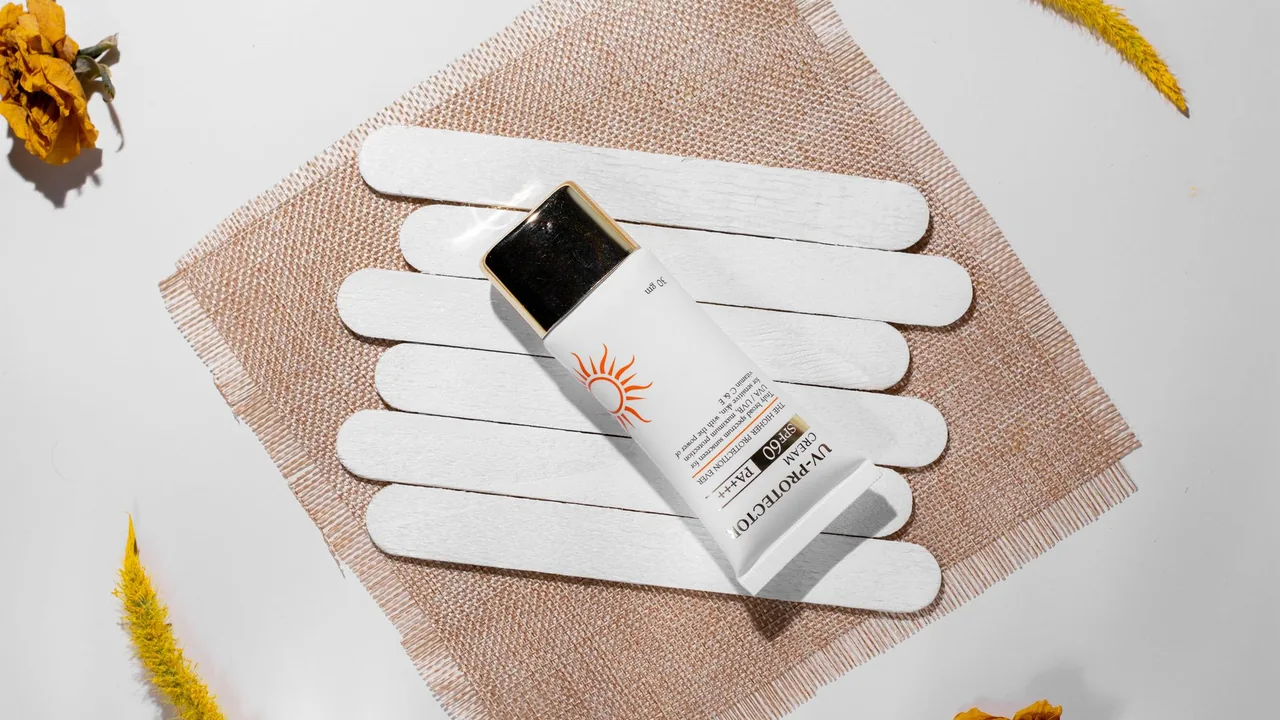
Korean Sunscreen in 2026: Which Type Suits You
Korean sunscreens are popular for cosmetically elegant textures that wear well under makeup, but “best” depends entirely on your skin and how you live. Rather than rank specific products with numbers we can’t verify, this guide walks through the main formula types so you can shop with intent. Always check the current label for SPF/PA and a full ingredient list, since formulas change.
Last updated: July 2026 · by K-Beauty Edit
Affiliate disclosure: Some links on this page are affiliate links to Olive Young Global and Amazon. As an Amazon Associate we earn from qualifying purchases, and we earn a commission on qualifying Olive Young orders. If you buy through these links we may earn a small commission at no extra cost to you. We are not paid to recommend any specific brand, and we only describe ingredient types in general terms.
Quick comparison: 3 types to start with
| Type | Best for | Shop |
|---|---|---|
| Lightweight chemical (organic-filter) | Daily wear under makeup, no white cast | Olive Young →Amazon → |
| Mineral (zinc oxide) | Sensitive or reactive skin | Olive Young →Amazon → |
| Tone-up sunscreen | Light coverage without full base makeup | Olive Young →Amazon → |
No price ranking implied — current prices vary by retailer and change over time. Affiliate links to Olive Young and Amazon; see full disclosure above.
Product types to know
These are general ingredient and product types, not endorsements of any single brand. Always read the current label and patch test before regular use.
Lightweight chemical (organic-filter) sunscreen
SunscreenUses organic UV filters for a thin, often invisible finish that sinks in fast with little white cast.
Who it’s for: Daily wear under makeup; medium-to-deep skin tones wanting no white cast.
Mineral (zinc oxide / titanium dioxide) sunscreen
ZincSunscreenSensitive skinSits on top of skin to reflect UV; tends to be gentler and fragrance-light.
Who it’s for: Sensitive or reactive skin, and anyone who prefers physical filters.
Hybrid (mineral + organic) sunscreen
SunscreenBlends filter types to balance protection feel with a lighter finish than pure mineral.
Who it’s for: People who find pure mineral heavy but still want some physical filter.
Hydrating / essence-style sunscreen
EssenceDehydrated skinBuilt on humectants like hyaluronic acid and glycerin for a dewy, moisturising feel.
Who it’s for: Dry or dehydrated skin; winter use.
Sebum-control / matte sunscreen
SunscreenOily skinIncludes powders or controlling agents for a shine-free finish.
Who it’s for: Oily or combination skin and humid climates.
Tone-up sunscreen
SunscreenAdds a subtle brightening or tint for an even, slightly luminous look.
Who it’s for: Those who want light coverage without full base makeup.
Tinted / colour-correcting sunscreen
SunscreenPigments give light coverage and can offset redness.
Who it’s for: Anyone wanting sun care and a no-makeup base in one step.
Sensitive-skin / low-irritant sunscreen
SunscreenCentella or panthenol-leaning formulas marketed fragrance- and alcohol-light.
Who it’s for: Easily irritated, post-procedure (with your derm’s okay), or barrier-compromised skin.
Stick sunscreen
SunscreenSolid format for fast reapplication over makeup or on the go.
Who it’s for: Touch-ups during the day, outdoor activity, travel.
Body / large-format sunscreen
SunscreenBigger sizes meant for arms, legs and neck.
Who it’s for: Anyone needing generous, frequent application beyond the face.
Frequently asked questions
- Which Korean sunscreen is objectively the best?
- There isn’t one. The right sunscreen is the one you’ll actually reapply, that suits your skin type and tone, and whose finish you like. Use this guide to match a formula type to your needs, then check the current label for SPF/PA and ingredients.
- What do SPF and PA mean on Korean sunscreens?
- SPF measures protection against UVB (burning) and the PA+ rating indicates UVA (ageing) protection — more plus signs mean more UVA defence. For everyday use many people look for a high SPF and a high PA rating, but follow current guidance and your dermatologist.
- Are mineral sunscreens better for sensitive skin?
- Mineral (zinc oxide/titanium dioxide) filters are often described as gentler and are a common choice for reactive skin, but sensitivity is individual. Patch test any new sunscreen on a small area first.
- How much sunscreen should I apply?
- Most guidance suggests a generous, even layer rather than a thin smear, and reapplication through the day if you’re outdoors. Read the product’s own directions, and ask a dermatologist for advice specific to you.
- Can I trust before-and-after sunscreen photos online?
- Treat dramatic before-and-after images with caution — lighting, angle and editing vary. Focus on the formula type, the filters listed, and how a product feels on your own skin via a patch test.
Shop the categories you’re interested in
Browse these product types at popular K-beauty retailers. Links are affiliate links — see the disclosure above.
More K-beauty guides
Korean skincare routine for beginners
A beginner-friendly Korean skincare routine for 2026. The core steps explained simply — cleanse, hydrate, prot…
Korean anti-aging product types
A guide to Korean anti-aging product types in 2026 — retinol, peptides, vitamin C, sunscreen and more. What ea…
Glass skin products guide
A guide to the product types behind the “glass skin” look in 2026 — humectants, snail mucin, niacinamide and m…