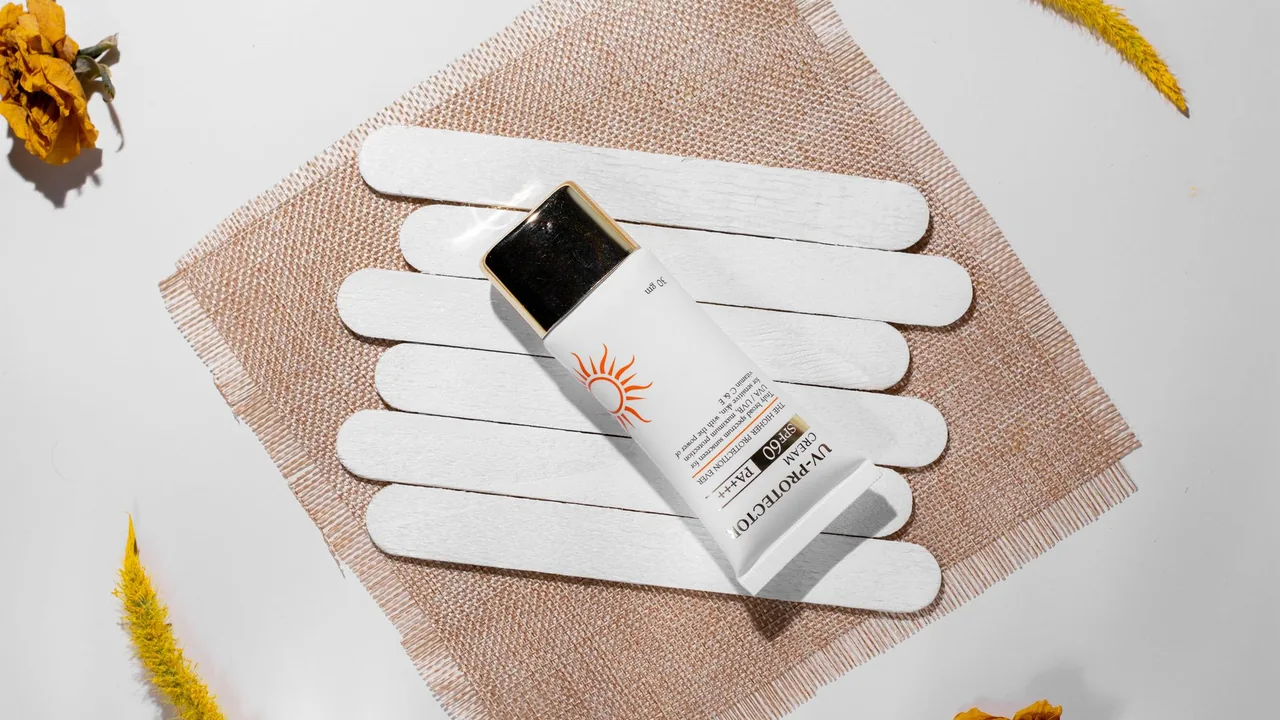
Korean Sunscreen for Sensitive Skin: Which Type Suits You
Sensitive skin needs sun protection just like any other skin, but the wrong formula can sting, flush or break out. The ingredients most often flagged as irritants are fragrance, essential oils, alcohol denat and high-strength acids, so many people with reactive skin look for fragrance-free formulas and calming additions like centella, panthenol or ceramides. Korean brands formulate a lot of low-irritant options, including mineral and hybrid filters. Below are the sunscreen types reactive skin tends to reach for, with honest notes — and since sensitivity is individual, patch test every new sunscreen on a small area first.
Last updated: July 2026 · by K-Beauty Edit
Affiliate disclosure: Some links on this page are affiliate links to Olive Young Global and Amazon. As an Amazon Associate we earn from qualifying purchases, and we earn a commission on qualifying Olive Young orders. If you buy through these links we may earn a small commission at no extra cost to you. We are not paid to recommend any specific brand, and we only describe ingredient types in general terms.
Product types to know
These are general ingredient and product types, not endorsements of any single brand. Always read the current label and patch test before regular use.
Mineral (zinc oxide / titanium dioxide) sunscreen
ZincSunscreenSensitive skinSits on top of skin to reflect UV; physical filters are often described as gentler and are a common pick for reactive skin.
Who it’s for: Easily irritated or filter-sensitive skin wanting a physical option.
Centella (cica) sunscreen
Centella (Cica)SunscreenCentella asiatica-leaning formulas marketed to soothe the look of redness while protecting.
Who it’s for: Reactive, flushing or rosacea-prone skin wanting a calming SPF.
Fragrance-free / essential-oil-free sunscreen
OilShort, low-irritant ingredient lists that leave out two of the most common triggers.
Who it’s for: Skin that flares with scent; anyone minimising irritation risk.
Panthenol / barrier-soothing sunscreen
PanthenolSunscreenSensitive skinPro-vitamin B5 and humectant-leaning formulas aimed at comfort and a calmed feel.
Who it’s for: Dry, tight or barrier-stressed sensitive skin.
Hybrid (mineral + organic) low-irritant sunscreen
SunscreenBlends filter types for a lighter finish than pure mineral while staying gentle.
Who it’s for: Those who find pure mineral heavy but still want a soft, low-sting feel.
Ceramide / moisturising sunscreen
CeramidesSunscreenSensitive skinLipid-supporting formulas that double as a hydrating, comforting layer.
Who it’s for: Dry sensitive skin that wants protection and barrier support in one step.
Non-comedogenic sunscreen for sensitive + acne-prone skin
SunscreenSensitive skinFormulas labelled non-comedogenic and fragrance-light for reactive, breakout-prone skin.
Who it’s for: Skin that is both sensitive and prone to congestion.
Tinted mineral sunscreen
SunscreenSensitive skinAdds light coverage and can help offset the white cast some mineral formulas leave.
Who it’s for: Sensitive skin wanting a touch of evening coverage with physical filters.
Hydrating essence-style sensitive sunscreen
EssenceDehydrated skinHumectant-rich, dewy formulas for a comfortable, non-tight finish.
Who it’s for: Dehydrated sensitive skin; drier seasons.
Post-procedure / barrier-recovery sunscreen
SunscreenEspecially gentle formulas suited to compromised or recovering skin (with a derm's okay).
Who it’s for: Skin recovering from treatments, after professional advice.
Frequently asked questions
- What type of Korean sunscreen is best for sensitive skin?
- There's no single best, but reactive skin often does well with fragrance-free formulas and gentle additions like centella, panthenol or ceramides — and many people choose mineral or hybrid filters. Sensitivity is individual, so patch test any new sunscreen on a small area before regular use.
- Are mineral sunscreens better for sensitive skin than chemical ones?
- Mineral (zinc oxide/titanium dioxide) filters sit on top of skin and are often described as gentler, which makes them a common choice for reactive skin. That said, some people tolerate well-formulated organic-filter sunscreens fine. The most reliable test is a patch test on your own skin.
- Which ingredients should sensitive skin avoid in sunscreen?
- Common triggers for reactive skin include added fragrance, essential oils, alcohol denat and high-strength acids. Fragrance-free, low-irritant formulas reduce the risk, but any ingredient can be a trigger for some people — patch test regardless.
- Can centella sunscreen actually calm my skin?
- Centella asiatica is a popular soothing ingredient often included to support the look of calmer skin, and many people with reactive skin like centella SPFs. It isn't a treatment for a skin condition, though — see a dermatologist if your skin is persistently irritated.
- How do I patch test a new sunscreen?
- Apply a small amount to a discreet area such as the inner forearm or behind the ear for a few days and watch for redness, stinging or bumps before using it on your face. If you have a skin condition, allergies or recovering skin, check with a dermatologist first.
Shop the categories you’re interested in
Browse these product types at popular K-beauty retailers. Links are affiliate links — see the disclosure above.
More K-beauty guides
Best Korean sunscreen types (2026)
A plain guide to Korean sunscreen types in 2026 — chemical, mineral, hybrid, tone-up and more. What each formu…
Korean skincare routine for beginners
A beginner-friendly Korean skincare routine for 2026. The core steps explained simply — cleanse, hydrate, prot…
Korean cleansers for acne-prone skin
A guide to Korean cleanser types for acne-prone skin in 2026 — low-pH gels, BHA cleansers, cica and more. Hone…