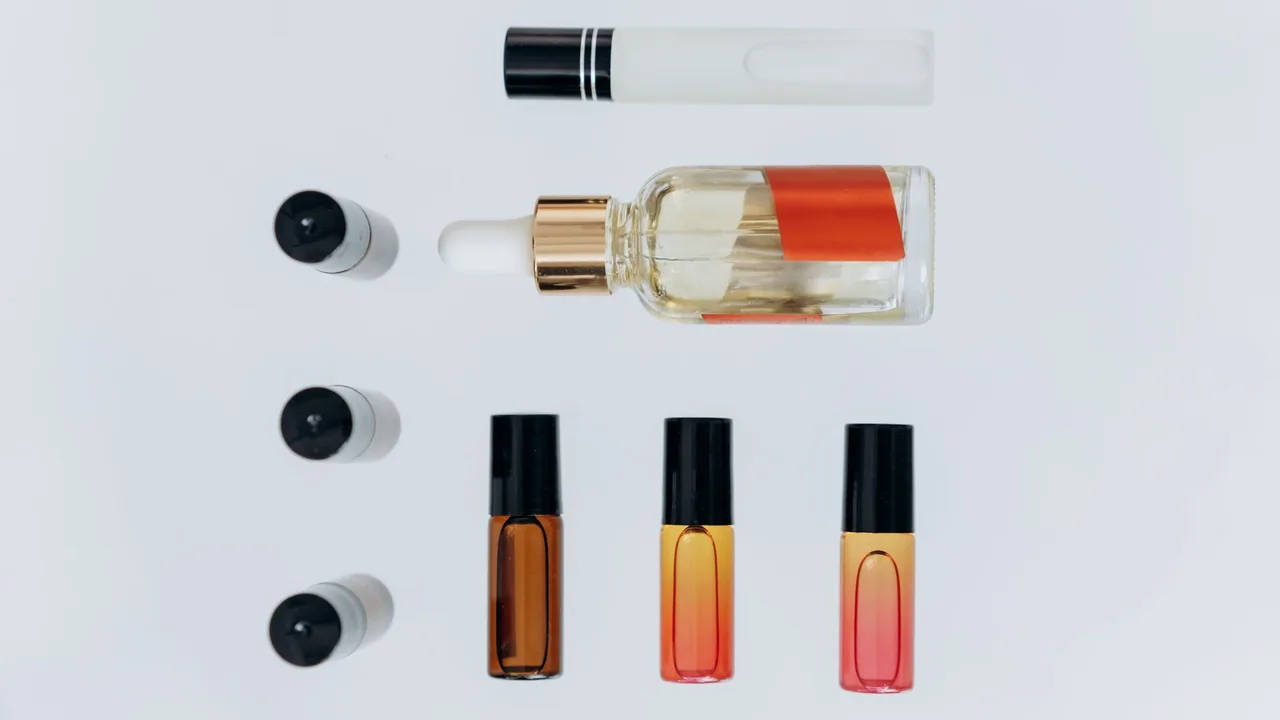
Korean Bakuchiol Products: The Gentle Retinol-Alternative Types
Bakuchiol is a plant-derived ingredient people reach for when they want a gentler, more barrier-friendly alternative to retinol — it is often chosen by those with sensitive skin, by beginners easing into anti-ageing routines, and by anyone who finds retinoids irritating. The honest framing: bakuchiol is a cosmetic ingredient associated with a smoother, more even-looking surface over time, not a guaranteed treatment for any skin condition, and gentle does not mean irritation-proof. Below are the Korean product types that feature bakuchiol, with plain notes on what each is and who it suits. Introduce one new product at a time, use sunscreen by day, and patch test before regular use.
Last updated: July 2026 · by K-Beauty Edit
Affiliate disclosure: Some links on this page are affiliate links to Olive Young Global and Amazon. As an Amazon Associate we earn from qualifying purchases, and we earn a commission on qualifying Olive Young orders. If you buy through these links we may earn a small commission at no extra cost to you. We are not paid to recommend any specific brand, and we only describe ingredient types in general terms.
Product types to know
These are general ingredient and product types, not endorsements of any single brand. Always read the current label and patch test before regular use.
Bakuchiol serum (daily)
BakuchiolSerumSensitive skinA lightweight serum built around bakuchiol as the main active, used as a gentler day-or-night step.
Who it’s for: Sensitive skin or beginners wanting a softer entry to anti-ageing-style actives.
Bakuchiol + niacinamide serum
NiacinamideSerumA blend pairing bakuchiol with niacinamide, a well-researched active, for a more even-looking tone and barrier support.
Who it’s for: Those wanting two gentle, complementary actives in one comfortable step.
Bakuchiol + retinal/retinol blend
BakuchiolA formula that combines bakuchiol with a low level of a vitamin-A derivative for a stronger-leaning option.
Who it’s for: People ready for a bit more, who still want a cushioning gentle partner ingredient.
Bakuchiol night cream
BakuchiolCreamMature skinA richer leave-on cream with bakuchiol for an overnight comfort-and-smoothing step.
Who it’s for: Dry or mature-feeling skin wanting bakuchiol in a moisturising base.
Bakuchiol + centella (cica) soothing serum
BakuchiolSerumA bakuchiol product paired with calming centella for a soothing, low-irritation feel.
Who it’s for: Reactive or redness-prone skin easing into a gentle active.
Bakuchiol eye care
BakuchiolA targeted product using bakuchiol for the delicate area around the eyes.
Who it’s for: Anyone wanting a gentle active near the eyes (manage expectations, patch test).
Bakuchiol + hyaluronic acid serum
Hyaluronic acidSerumDehydrated skinBakuchiol paired with humectants for a plumping, hydrated-feeling smooth finish.
Who it’s for: Dehydrated skin wanting comfort alongside a gentle smoothing active.
Fragrance-free minimalist bakuchiol option
BakuchiolA short-ingredient bakuchiol formula aimed at lower irritation risk.
Who it’s for: Easily-reactive skin that flares with fragrance; patch test regardless.
Frequently asked questions
- Is bakuchiol better than retinol?
- Neither is universally better — they are different. Bakuchiol is a plant-derived ingredient often chosen as a gentler, more barrier-friendly option, while retinoids have a longer research history but more irritation potential. The right choice depends on your skin's tolerance and goals. Bakuchiol is a cosmetic ingredient, not a medical treatment, and results are gradual and vary by person.
- Is bakuchiol good for sensitive skin?
- Many people with reactive skin find bakuchiol gentler than retinoids, which is part of its appeal, but gentle does not mean irritation-proof. Patch test before regular use, introduce it on its own first, and stop if you notice irritation. A dermatologist can advise if your skin is very reactive.
- Can I use bakuchiol and retinol together?
- Some products deliberately combine bakuchiol with a low level of a vitamin-A derivative, and some people layer them, but stacking actives raises irritation risk. If you are new to either, start with one at a time, go slowly, patch test, and ask a dermatologist if you are unsure.
- Do I still need sunscreen with bakuchiol?
- Yes — daily sunscreen is the most evidence-backed step in any smoothing or anti-ageing routine, regardless of which active you use. Bakuchiol does not replace sun protection, so keep wearing sunscreen every morning.
- How long until bakuchiol shows a difference?
- Like most skincare actives, bakuchiol works gradually, so give it consistent weeks rather than days, and keep expectations realistic. If anything stings, burns or breaks you out, stop and consider seeing a dermatologist.
Shop the categories you’re interested in
Browse these product types at popular K-beauty retailers. Links are affiliate links — see the disclosure above.
More K-beauty guides
Korean retinol products guide
A plain guide to Korean retinol and retinoid product types in 2026 — retinol, retinal, granactive retinoid, ba…
Korean anti-aging product types
A guide to Korean anti-aging product types in 2026 — retinol, peptides, vitamin C, sunscreen and more. What ea…
Korean skincare for sensitive skin
A guide to Korean skincare product types for sensitive, reactive skin in 2026 — centella (cica), panthenol, ce…