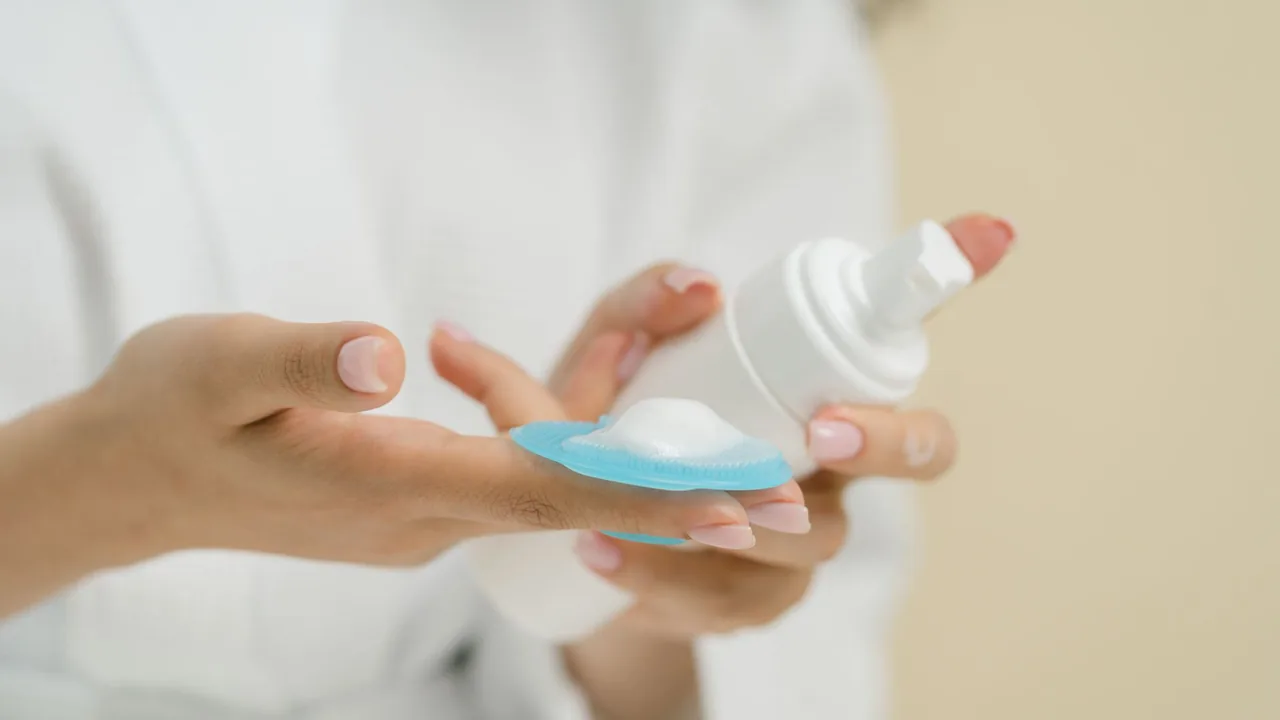
Korean Cleansing Balms, Explained
A cleansing balm is the oil-based first step many people use in the Korean “double cleanse”: you massage the balm onto dry skin so it dissolves sunscreen, sebum and the day, rinse, then follow with a gentle water-based cleanser. It is an everyday makeup-and-sunscreen-removing step, not a treatment for any skin condition, and balms can feel heavy or leave a film on some skin if not rinsed well. The sensible approach is to pick a texture that rinses cleanly for your skin type, avoid tugging, and follow with a low-pH second cleanser. Below are the Korean cleansing balm types people reach for, in roughly how they differ, with honest notes. Patch test anything new.
Last updated: July 2026 · by K-Beauty Edit
Affiliate disclosure: Some links on this page are affiliate links to Olive Young Global and Amazon. As an Amazon Associate we earn from qualifying purchases, and we earn a commission on qualifying Olive Young orders. If you buy through these links we may earn a small commission at no extra cost to you. We are not paid to recommend any specific brand, and we only describe ingredient types in general terms.
Product types to know
These are general ingredient and product types, not endorsements of any single brand. Always read the current label and patch test before regular use.
Classic sherbet cleansing balm
Cleansing balmMost skin typesA solid-to-oil balm that melts on contact to dissolve sunscreen and the day's grime.
Who it’s for: Most skin types wanting a simple, well-known first cleanse.
Lightweight gel-to-oil balm
GelOily skinA lighter balm that turns to oil then rinses with a less heavy after-feel.
Who it’s for: Combination or oily skin wanting a cleaner-rinsing first step.
Fragrance-free minimalist balm
BalmSensitive skinA short-ingredient balm aimed at lower irritation risk.
Who it’s for: Reactive or fragrance-sensitive skin; patch test regardless.
Cica or centella cleansing balm
Centella (Cica)Cleansing balmA balm with calming centella for a gentler-leaning first cleanse.
Who it’s for: Redness-prone skin wanting a soothing-feeling remove step.
Rice or grain extract balm
Rice extractBalmDry skinA balm featuring rice or grain extracts for a comfortable, classic K-beauty feel.
Who it’s for: Dry skin wanting a softer, more nourishing-feeling melt.
Vitamin-leaning balm (e.g. with vitamin E)
BalmA balm with added antioxidant-style ingredients for a comfortable finish.
Who it’s for: Those who like a richer first cleanse with extras in the mix.
Sensitive-skin emulsifying balm
BalmSensitive skinA balm formulated to emulsify and rinse off cleanly with water.
Who it’s for: Easily-clogged or sensitive skin that dislikes any leftover film.
Travel or stick cleansing balm
Cleansing balmA solid stick or mini balm format for convenience on the go.
Who it’s for: Frequent travellers wanting a spill-proof first cleanse.
Frequently asked questions
- What is a cleansing balm and how do I use it?
- A cleansing balm is an oil-based cleanser you massage onto dry skin to dissolve sunscreen, makeup and sebum, then rinse off, usually before a water-based cleanser. It is the “first cleanse” in the Korean double-cleanse habit, and it is an everyday cleansing step rather than a treatment.
- What is double cleansing?
- Double cleansing means using an oil-based cleanser (like a balm) first to break down oil-soluble grime such as sunscreen and makeup, then a water-based cleanser to remove sweat and water-soluble debris. Many people do it in the evening only. It is a cleansing habit, not a medical treatment, and once a day is plenty for most.
- Is a cleansing balm good for oily or acne-prone skin?
- Many people with oily skin use a lightweight, well-emulsifying balm and find it rinses cleanly, but heavy balms can feel greasy or congest some skin. If you are breakout-prone, choose a light gel-to-oil texture, rinse thoroughly, follow with a low-pH cleanser, and patch test. A dermatologist can advise if breakouts persist.
- Do I need to follow a balm with a second cleanser?
- Most people follow a cleansing balm with a gentle water-based cleanser so any residue and water-soluble debris are removed. If your skin feels comfortable with just the balm on a low-makeup day, that is a personal call — the key is that skin feels clean and not stripped afterwards.
- Can a cleansing balm remove sunscreen and waterproof makeup?
- Oil-based cleansers are generally good at breaking down oil-soluble products like sunscreen and many waterproof formulas, which is why people use a balm as the first step. Massage gently for a short while, avoid tugging at the eyes, and rinse well. Results vary by product and by how heavy the makeup is.
Shop the categories you’re interested in
Browse these product types at popular K-beauty retailers. Links are affiliate links — see the disclosure above.
More K-beauty guides
Korean cleansers for acne-prone skin
A guide to Korean cleanser types for acne-prone skin in 2026 — low-pH gels, BHA cleansers, cica and more. Hone…
Korean skincare routine for beginners
A beginner-friendly Korean skincare routine for 2026. The core steps explained simply — cleanse, hydrate, prot…
Korean skincare routine order guide
A plain guide to Korean skincare routine order in 2026 — the thinnest-to-thickest layering principle, morning …