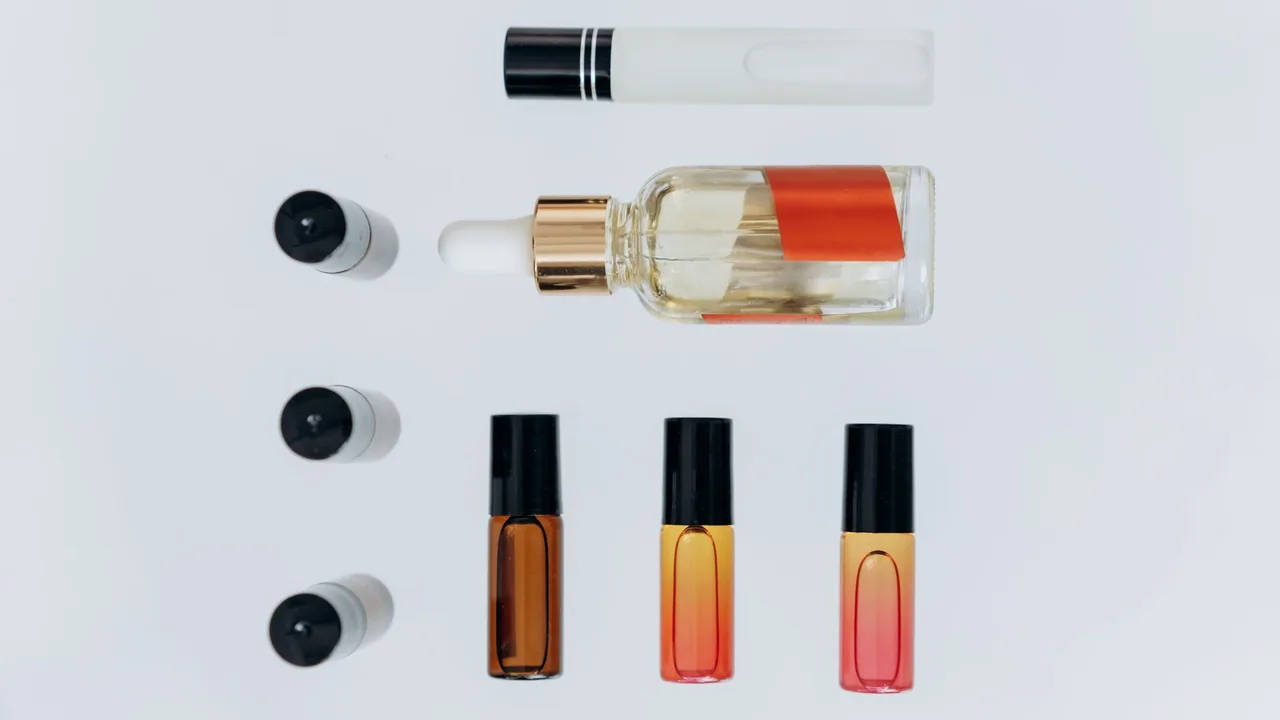
Korean Exosome Skincare: What Each Type Is
Exosomes are one of the most talked-about K-beauty ingredient trends heading into 2026, appearing mostly in concentrated serums and ampoules marketed around skin renewal and a smoother-looking surface. It is worth being clear-eyed: cosmetic exosome research is still emerging, marketing often runs ahead of the evidence, and these are general comfort-and-appearance cosmetics, not medical treatments. Below are the Korean exosome product types people are buying, with honest notes and realistic expectations. Patch test, introduce one product at a time, and see a dermatologist for any skin concern.
Last updated: July 2026 · by K-Beauty Edit
Affiliate disclosure: Some links on this page are affiliate links to Olive Young Global and Amazon. As an Amazon Associate we earn from qualifying purchases, and we earn a commission on qualifying Olive Young orders. If you buy through these links we may earn a small commission at no extra cost to you. We are not paid to recommend any specific brand, and we only describe ingredient types in general terms.
Product types to know
These are general ingredient and product types, not endorsements of any single brand. Always read the current label and patch test before regular use.
Exosome ampoule (high-concentration)
ExosomeAmpouleA concentrated ampoule marketed around the look of renewal and texture, usually with supporting humectants.
Who it’s for: Those wanting an intensive treatment step who understand the evidence is still emerging.
Daily exosome serum
ExosomeSerumMost skin typesA lighter serum for steady everyday use rather than an intensive shot.
Who it’s for: Most skin types wanting to try the ingredient in a gentle, routine-friendly format.
Exosome + peptide serum
ExosomeSerumA blend pairing exosomes with peptides, marketed for a firmer, smoother-looking surface.
Who it’s for: Anyone interested in the trend who also wants a more researched supporting active.
Exosome + centella soothing ampoule
Centella (Cica)AmpouleExosomes paired with calming centella for a comfort-focused treatment step.
Who it’s for: Reactive or sensitised skin wanting to try the ingredient with a soothing base.
Exosome hydrating essence
ExosomeEssenceDehydrated skinA watery, humectant-led layer with exosomes for light hydration and prep.
Who it’s for: Dehydrated skin wanting a lighter entry point than a concentrated ampoule.
Exosome sheet mask
ExosomeSheet maskA single-use mask as a low-commitment way to sample the category.
Who it’s for: Anyone curious about exosomes who wants to try before buying a full-size ampoule.
Exosome + barrier-support cream
ExosomeCreamA moisturiser combining exosomes with ceramides or lipids to seal in the steps above.
Who it’s for: Dry or barrier-stressed skin wanting nourishment plus the trending ingredient.
Fragrance-free exosome option
ExosomeA short-ingredient exosome product aimed at lower irritation risk.
Who it’s for: Easily-reactive skin that flares with fragrance; patch test regardless.
Frequently asked questions
- What are exosomes in skincare?
- In cosmetics, exosomes are tiny vesicle-style ingredients marketed around skin renewal and a smoother-looking surface. They are a trending ingredient type used in serums and ampoules, but cosmetic research is still emerging and claims often run ahead of the evidence. Treat them as general appearance-focused cosmetics, not medical treatments.
- Do Korean exosome serums actually work?
- The honest answer is that evidence for cosmetic exosome products is still developing, and results vary a lot by person and formula. Some people enjoy the hydration and feel, but no cosmetic exosome product is a guaranteed or clinically proven fix. Be skeptical of dramatic before-and-after claims and manage expectations.
- Are exosome products safe to use?
- Most are sold as ordinary cosmetics and used like any serum, but because the category is new, formulas vary widely. Patch test any new product on a small area first, introduce one at a time, and stop if you notice irritation. If you have a skin condition, ask a dermatologist before trying trend ingredients.
- What's the difference between an exosome serum and ampoule?
- An ampoule is usually more concentrated and used as an intensive step, while a serum tends to be lighter for daily use. Same ingredient family, different intensity. If you are new to the ingredient, a lighter serum or a sheet mask is a lower-commitment way to start.
- Can exosomes replace retinol or my treatments?
- No. Exosomes are an emerging cosmetic ingredient, not a replacement for researched actives like retinoids or for any medical treatment. If something is working for you, exosome products are at most an optional extra to try, not a substitute — and a dermatologist can advise on what fits your skin.
Shop the categories you’re interested in
Browse these product types at popular K-beauty retailers. Links are affiliate links — see the disclosure above.
More K-beauty guides
Korean PDRN skincare guide
A plain 2026 guide to Korean PDRN skincare product types — essences, ampoules, serums, creams, toner pads and …
Korean anti-aging product types
A guide to Korean anti-aging product types in 2026 — retinol, peptides, vitamin C, sunscreen and more. What ea…
Korean ampoule guide
A plain guide to Korean ampoule types in 2026 — snail mucin, propolis, vitamin C, niacinamide, peptide and mor…