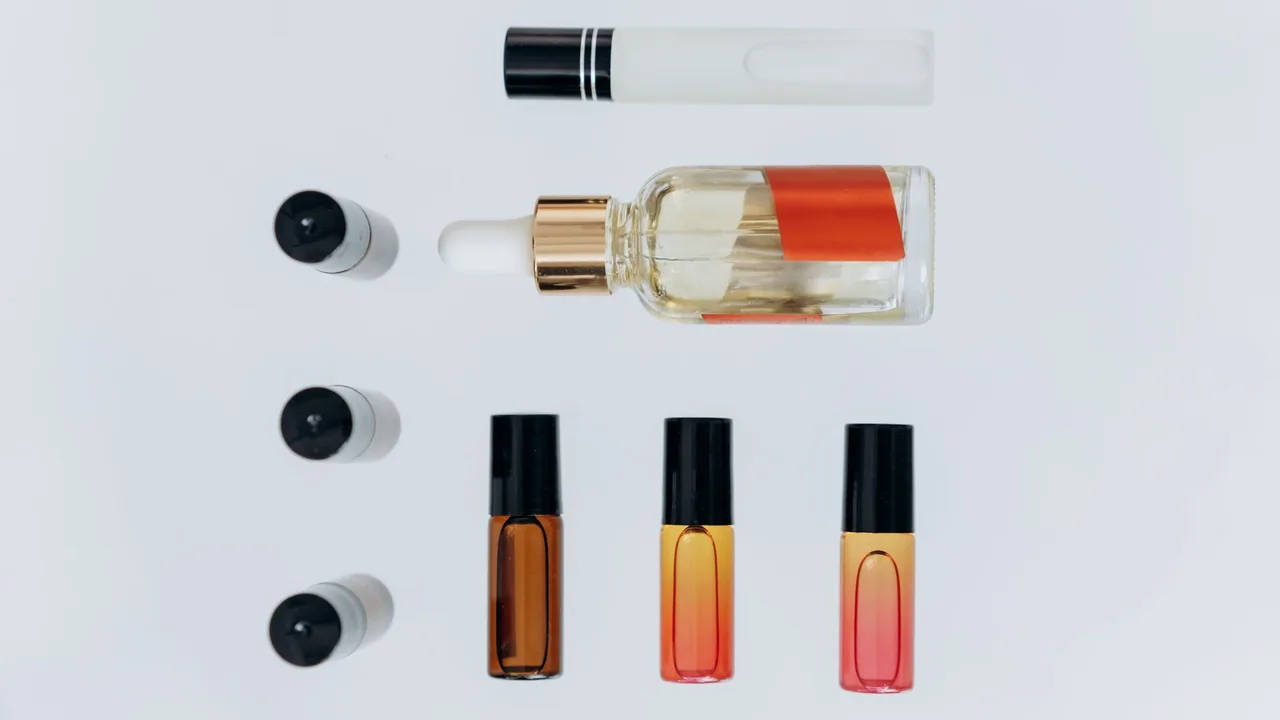
Korean Polyglutamic Acid Products
Polyglutamic acid (PGA) is a humectant Korean brands lean on for a plump, dewy, hydrated finish, and people often compare it with hyaluronic acid because both are water-binding ingredients used on damp skin. It is an everyday cosmetic hydration ingredient for the look and feel of comfortable, bouncy skin, not a treatment for any skin condition. The sensible approach is to apply it onto slightly damp skin, layer a moisturiser on top to seal, and introduce one product at a time. Below are the Korean polyglutamic acid product types people reach for, with honest notes. Patch test anything new.
Last updated: July 2026 · by K-Beauty Edit
Affiliate disclosure: Some links on this page are affiliate links to Olive Young Global and Amazon. As an Amazon Associate we earn from qualifying purchases, and we earn a commission on qualifying Olive Young orders. If you buy through these links we may earn a small commission at no extra cost to you. We are not paid to recommend any specific brand, and we only describe ingredient types in general terms.
Product types to know
These are general ingredient and product types, not endorsements of any single brand. Always read the current label and patch test before regular use.
Polyglutamic acid serum
Polyglutamic acidSerumMost skin typesA lightweight humectant serum built around PGA for a plump, dewy finish on damp skin.
Who it’s for: Most skin types wanting buildable, lightweight hydration.
PGA + hyaluronic acid serum
Hyaluronic acidSerumDehydrated skinA serum pairing two humectants people layer for a hydrated, bouncy feel.
Who it’s for: Dehydrated skin wanting a fuller hydration step in one product.
Polyglutamic acid essence
Polyglutamic acidEssenceA watery essence with PGA used as an early hydrating layer after toner.
Who it’s for: Those building a layered routine who want hydration before serums.
PGA hydrating toner
TonerOily skinA toner with PGA for a light first hydration layer onto damp skin.
Who it’s for: Oily or combination skin wanting hydration without a heavy feel.
PGA + panthenol (B5) serum
PanthenolSerumDehydrated skinPGA paired with a soothing-leaning B5 ingredient for a comfortable finish.
Who it’s for: Reactive or dehydrated skin wanting hydration plus comfort.
Polyglutamic acid gel-cream
Polyglutamic acidCreamOily skinA light gel moisturiser with PGA used to add and help seal hydration.
Who it’s for: Normal to oily skin wanting a hydrating cream that is not heavy.
PGA sheet mask
Sheet maskA single-use mask soaked in a PGA-rich essence for a hydration boost.
Who it’s for: Anyone wanting an occasional plumping, hydrating break.
Fragrance-free minimalist PGA serum
SerumShort ingredient lists aimed at lower irritation risk.
Who it’s for: Easily-reactive skin that flares with fragrance; patch test anyway.
Frequently asked questions
- What is polyglutamic acid and what does it do?
- Polyglutamic acid (PGA) is a humectant — an ingredient that helps draw and hold water at the surface of the skin for a plump, hydrated look and feel. It is a cosmetic hydration ingredient, not a medical treatment, and it works best on slightly damp skin sealed with a moisturiser. Individual results vary.
- Is polyglutamic acid better than hyaluronic acid?
- Both are humectants and people often compare them, but “better” depends on your skin and the formula. Some describe PGA as feeling more surface-plumping while hyaluronic acid is a long-time favourite. Many products combine the two. Rather than chasing one ingredient, judge a product by how hydrated and comfortable your skin feels, and patch test.
- Can I use polyglutamic acid with hyaluronic acid?
- Yes — they are both gentle humectants and are frequently layered or combined in the same product. Apply onto damp skin and seal with a moisturiser so the water has something to grab onto and stays put. If you are new to either, introduce one product at a time and patch test.
- When should I apply polyglutamic acid in my routine?
- A common approach is to apply a PGA serum or essence onto slightly damp skin after cleansing and toning, then follow with a moisturiser to seal. In dry environments, sealing matters because humectants can otherwise draw water from deeper skin if there is little moisture in the air.
- Is polyglutamic acid good for oily or sensitive skin?
- Humectants like PGA are lightweight and tend to suit most skin types, including oily skin that wants hydration without heaviness. As with any new product, sensitive skin should patch test first and introduce it on its own. See a dermatologist if you have a skin condition or react easily.
Shop the categories you’re interested in
Browse these product types at popular K-beauty retailers. Links are affiliate links — see the disclosure above.
More K-beauty guides
Korean toner & essence guide
A plain guide to Korean toner and essence types in 2026 — hydrating toners, first essences, exfoliating toners…
Korean moisture sandwich (hydration layering)
A plain 2026 guide to the Korean “moisture sandwich” — the product types people layer to add and seal hydratio…
Korean moisturizers for dry skin
A guide to Korean moisturizer types for dry skin in 2026 — ceramide creams, hyaluronic acid, squalane, occlusi…