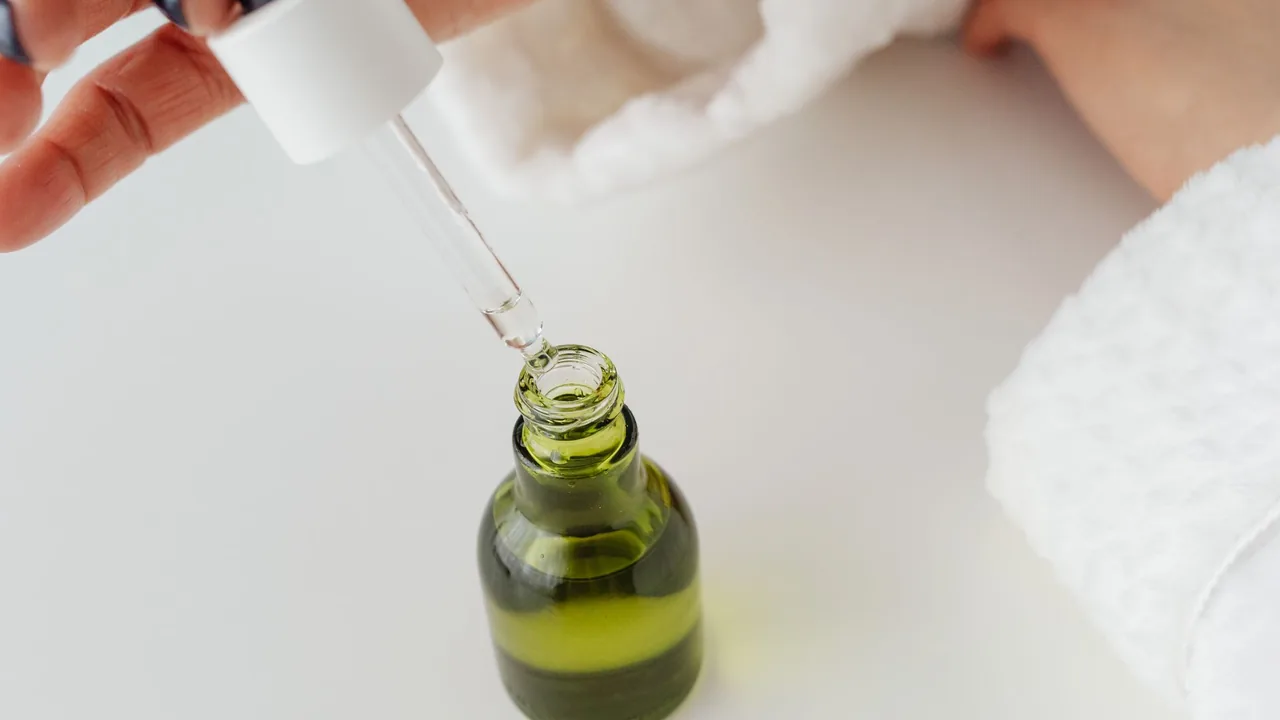
Korean Skincare for Slugging
Slugging is the habit of finishing your evening routine with an occlusive layer to help slow water loss while you sleep, so skin feels more comfortable by morning. It is a comfort and moisture-sealing step, not a treatment for any condition, and it is not for everyone — occlusives can feel heavy and may not suit very oily or breakout-prone skin. Below are the Korean product types people reach for when slugging, with honest notes. Apply the occlusive as the last step over a hydrated face, use a clean pillowcase, and patch test anything new.
Last updated: July 2026 · by K-Beauty Edit
Affiliate disclosure: Some links on this page are affiliate links to Olive Young Global and Amazon. As an Amazon Associate we earn from qualifying purchases, and we earn a commission on qualifying Olive Young orders. If you buy through these links we may earn a small commission at no extra cost to you. We are not paid to recommend any specific brand, and we only describe ingredient types in general terms.
Product types to know
These are general ingredient and product types, not endorsements of any single brand. Always read the current label and patch test before regular use.
Petrolatum-based balm or salve
BalmA classic occlusive that forms a surface seal to slow overnight water loss.
Who it’s for: Dry or compromised-feeling skin; the final slugging layer over a hydrated face.
Ceramide-rich sleeping cream
CeramidesCreamA rich night cream with ceramides and lipids used as a softer occlusive step.
Who it’s for: Those who find pure petrolatum too heavy but still want a sealing layer.
Overnight sleeping mask (gel or cream)
MaskA leave-on mask designed to sit on skin through the night.
Who it’s for: People wanting a lighter slugging-style finish than a balm.
Squalane-based facial oil
SqualaneOilCombination skinA plant-derived oil used as a light seal after hydration.
Who it’s for: Combination skin wanting a partial seal without a thick balm.
Shea or beeswax butter balm
BalmA plant or wax butter that adds a softening occlusive feel.
Who it’s for: Very dry patches; spot use on cheeks rather than the whole face.
Panthenol soothing cream
PanthenolCreamA B5-leaning cream used under the occlusive for a comfortable base.
Who it’s for: Dry, tight-feeling skin building a hydrated layer before sealing.
Snail mucin essence (hydration base)
Snail mucinEssenceA humectant layer applied before the seal so there is moisture to lock in.
Who it’s for: Anyone slugging, since an occlusive seals in whatever is underneath.
Fragrance-free minimalist balm
BalmA short-ingredient occlusive aimed at lower irritation risk.
Who it’s for: Reactive skin that flares with fragrance; patch test regardless.
Frequently asked questions
- What is slugging in Korean skincare?
- Slugging means applying an occlusive product, such as a petrolatum balm, as the final night step to help slow water loss while you sleep. It is a comfort and moisture-sealing habit, not a treatment, and you apply it over an already-hydrated face.
- Is slugging good for acne-prone skin?
- Heavy occlusives can feel uncomfortable on oily or breakout-prone skin and some people find they congest. If you are acne-prone, consider slugging only on dry patches, use a lighter sleeping mask instead, and patch test. A dermatologist can advise if you keep breaking out.
- How often should I slug?
- Many people slug a few nights a week or only when skin feels especially dry, rather than every night. There is no fixed rule — start occasionally, see how your skin feels in the morning, and stop if it feels congested.
- What do I put under the occlusive?
- Slugging seals in whatever is already on the skin, so most people apply hydrating layers first — a watery essence and a moisturiser — then finish with the occlusive. Avoid sealing strong actives unless you know your skin tolerates them, since occlusion can increase their intensity.
- Can slugging replace moisturiser?
- No. An occlusive mainly slows water loss; it does not add water itself. You still want a hydrating step underneath. Think of slugging as the lid, not the contents.
Shop the categories you’re interested in
Browse these product types at popular K-beauty retailers. Links are affiliate links — see the disclosure above.
More K-beauty guides
Korean moisturizers for dry skin
A guide to Korean moisturizer types for dry skin in 2026 — ceramide creams, hyaluronic acid, squalane, occlusi…
Korean skincare for dry winter skin
A guide to Korean skincare product types for dry winter skin in 2026 — ceramide barrier creams, humectants, oc…
Korean night cream & sleeping mask guide
A plain guide to Korean night cream and sleeping mask types in 2026 — ceramide barrier, peptide, retinol, hydr…