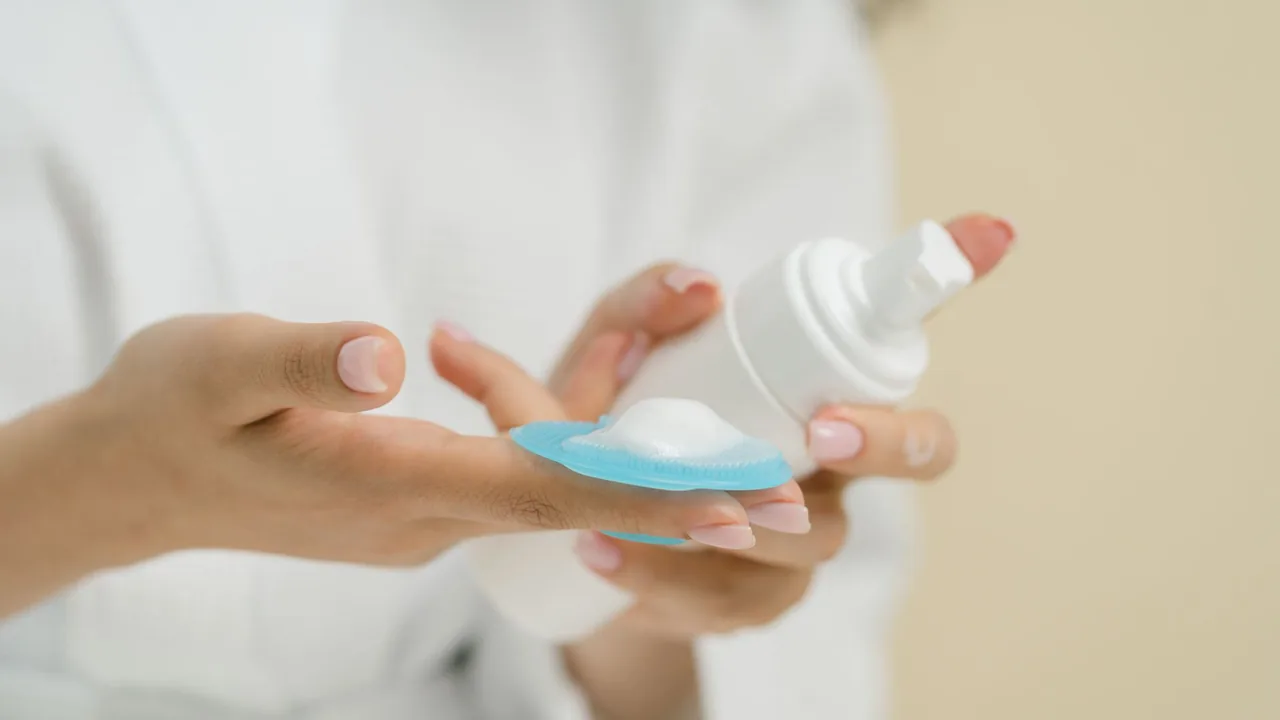
Korean Skincare for Blackheads: What Each Type Does
Blackheads are clogged pores where trapped oil and dead skin oxidise and darken at the surface — and it’s worth knowing that the tiny grey dots on many noses are often sebaceous filaments, a normal feature that never fully “clears.” Skincare can reduce the look of congestion and keep pores clearer, but it won’t permanently empty every pore, and squeezing or harsh scrubbing can damage skin. The most evidence-backed ingredient here is BHA (salicylic acid): it’s oil-soluble, so it works inside the pore to dissolve the oil-and-dead-skin mix that causes blackheads. Below are the Korean product types people reach for, with honest notes. Use exfoliants sparingly, patch test, and see a dermatologist for persistent congestion or acne.
Last updated: July 2026 · by K-Beauty Edit
Affiliate disclosure: Some links on this page are affiliate links to Olive Young Global and Amazon. As an Amazon Associate we earn from qualifying purchases, and we earn a commission on qualifying Olive Young orders. If you buy through these links we may earn a small commission at no extra cost to you. We are not paid to recommend any specific brand, and we only describe ingredient types in general terms.
Product types to know
These are general ingredient and product types, not endorsements of any single brand. Always read the current label and patch test before regular use.
BHA (salicylic acid) exfoliant
AHA/BHAExfoliantOily skinAn oil-soluble acid that works inside the pore to clear the look of congestion; the core active for blackheads.
Who it’s for: Oily, congested or blackhead-prone areas; use 2–3 times a week, patch test.
Low-pH gel cleanser
GelOily skinA mildly acidic gel that cleanses without disrupting the barrier or over-drying.
Who it’s for: Daily use on oily, congestion-prone skin that reacts to harsh foaming.
Oil cleanser / balm (double cleanse)
BalmAn oil-based first step to dissolve sunscreen and sebum that can clog pores.
Who it’s for: Anyone wearing sunscreen or makeup; the first step of double cleansing.
Clay or mud mask
Mineral mudMaskOily skinClay-based formulas meant to absorb excess surface oil and reduce the look of congestion.
Who it’s for: Oily skin and T-zones; occasional use (1–2 times a week), not daily.
Niacinamide serum
NiacinamideSerumA vitamin-B3 active researched for barrier support, a more even tone and balancing the look of oily skin.
Who it’s for: Congestion-prone skin wanting a low-irritation supporting active.
BHA cleanser
AHA/BHACleanserA wash-off cleanser with a low level of salicylic acid for a gentle, daily clarifying step.
Who it’s for: Those wanting mild, rinse-off pore care between leave-on BHA days.
PHA / gentle acid toner
PHATonerSensitive skinMilder acids for light surface smoothing when BHA feels too strong.
Who it’s for: Sensitive, congestion-prone skin easing into chemical exfoliation.
Lightweight gel moisturiser
GelOily skinA water-rich cream that hydrates without heavy oils that can feel pore-clogging.
Who it’s for: Oily or combination skin keeping congestion-prone areas hydrated but light.
Pore / nose strips (occasional, surface only)
Adhesive strips that pull out some surface plugs; a temporary, surface-level fix.
Who it’s for: Occasional use for a quick surface clean-up (won’t prevent blackheads).
Non-comedogenic sunscreen
SunscreenA daily SPF labelled non-comedogenic and often lightweight or matte.
Who it’s for: Congestion-prone skin wanting sun protection without a heavy, occlusive feel.
Frequently asked questions
- What ingredient works best on blackheads in Korean skincare?
- BHA (salicylic acid) has the strongest evidence for clogged pores because it’s oil-soluble and works inside the pore to dissolve the oil and dead-skin mix that forms blackheads. It can be drying or irritating for some, so start with a low strength a couple of times a week, patch test, and follow the directions.
- Are the dots on my nose blackheads or sebaceous filaments?
- Often they’re sebaceous filaments — a normal, hair-like lining of oil in the pore that never fully clears and refills naturally. True blackheads are darker, clearly clogged pores. Skincare can reduce the look of both, but trying to permanently empty every pore is unrealistic, and aggressive squeezing can damage skin.
- How often should I use a clay mask or BHA for blackheads?
- Sparingly. Many people use a BHA exfoliant 2–3 times a week and a clay mask once or twice a week, then adjust to their skin. Over-exfoliating can irritate skin and damage the barrier, which can make congestion and oiliness worse, so build up slowly and cut back at any redness or stinging.
- Are pore strips good for removing blackheads?
- Pore strips can pull out some surface plugs for a quick, temporary result, but they only work on the surface and don’t stop blackheads from coming back. Used too often or roughly they can irritate skin. They’re best as an occasional extra rather than your main approach — gentle BHA and cleansing do more over time.
- When should I see a dermatologist about blackheads?
- If you have widespread or stubborn congestion, painful or inflamed acne, or blackheads that don’t improve with a gentle BHA-and-cleansing routine, a dermatologist can offer treatments skincare can’t. Avoid the urge to squeeze or use harsh tools at home, which can cause marks or scarring.
Shop the categories you’re interested in
Browse these product types at popular K-beauty retailers. Links are affiliate links — see the disclosure above.
More K-beauty guides
Korean cleansers for acne-prone skin
A guide to Korean cleanser types for acne-prone skin in 2026 — low-pH gels, BHA cleansers, cica and more. Hone…
K-beauty for oily skin
A guide to Korean skincare product types for oily skin in 2026 — low-pH cleansers, BHA, niacinamide, gel moist…
Korean exfoliator guide (AHA/BHA/PHA)
A plain guide to Korean exfoliator types in 2026 — AHA, BHA, PHA, enzyme exfoliants, peeling gels and more. Wh…